Thymalin
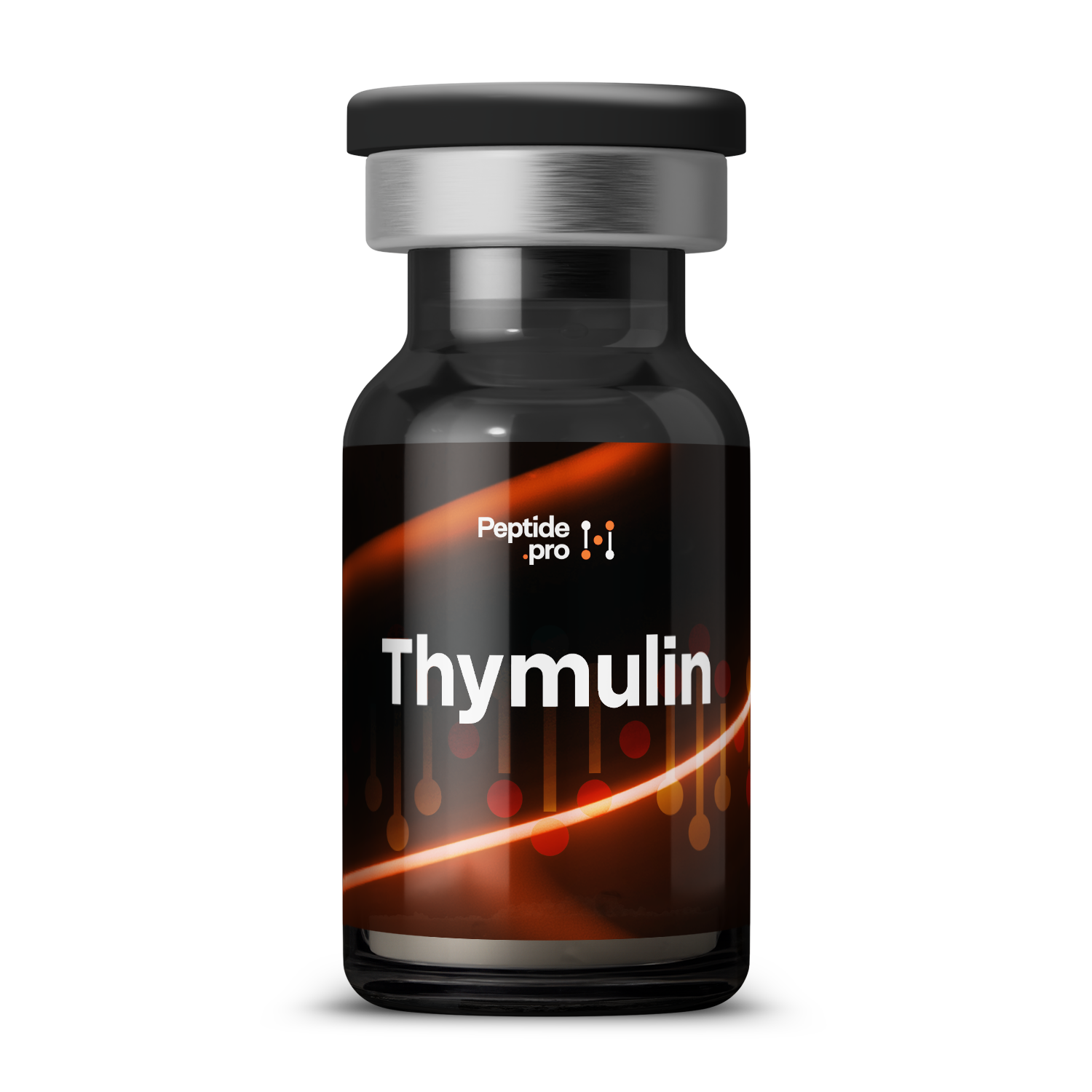
Thymalin is a peptide complex derived from the thymus gland that has been studied for its role in immune system regulation and cellular repair. It consists of short peptides that influence immune cell activity and may support tissue regeneration. The compound has been used in clinical research related to aging and immune function.
About the product
Thymalin is not a single peptide but a complex of low-molecular-weight peptides extracted from thymus tissue. These peptides are typically short amino-acid chains that interact with immune cells. The exact composition can vary depending on the extraction and purification process.
Thymalin acts by modulating immune system activity, particularly T-lymphocytes, which play a central role in immune defense. It influences cellular signaling pathways involved in immune response and may support normalization of immune function. The peptide complex is also studied for its effects on gene expression related to cellular repair.
Thymalin is studied primarily for its role in immune regulation and aging research. Clinical studies have reported improvements in immune markers and reduced incidence of infections in certain populations. It has also been explored for its potential to support tissue repair and overall cellular function.
Reported side effects are generally mild and may include injection-site reactions or temporary discomfort. Thymalin has been used in clinical settings with a relatively favorable safety profile. However, long-term effects and use in specific populations require further study.
Thymalin is produced through extraction and purification of peptide fractions from thymus tissue. The process involves isolating low-molecular-weight peptides followed by purification steps to obtain a consistent peptide complex. Manufacturing standards ensure stability and purity of the final product.
Thymalin has been used in certain countries as a regulated peptide preparation, while in other regions it remains unapproved. Its regulatory status varies depending on jurisdiction and intended use.
Clinical dosing protocols vary depending on the formulation and application. Standardized dosing guidelines are not universally established.
- Do follow approved clinical or research protocols.
- Do monitor immune markers during use.
- Don’t combine with immunomodulatory agents without justification.
- Don’t use outside regulated settings.
- Q: Is thymalin a single peptide?
- A: No, it is a mixture of several short peptides derived from the thymus.
- Q: What is it used for?
- A: It is studied for immune regulation and aging-related research.
- Q: How does it affect the immune system?
- A: It influences T-cell activity and immune signaling pathways.
To guarantee authenticity and quality, we only sell through approved partners. Check our list of Verified Vendors to make sure you're buying the real thing.
Compound Overview
Related Peptides